

Residential Services
We offer a wide variety services for residential septic systems. These services include:
Routine inspections and yearly maintenance under septic service contracts.
Well and septic point of sale inspections.
Annual effluent sampling for EPA NPDES permit holders.
Eco-friendly septic additives and treatments.
Camera inspection and line jetting.
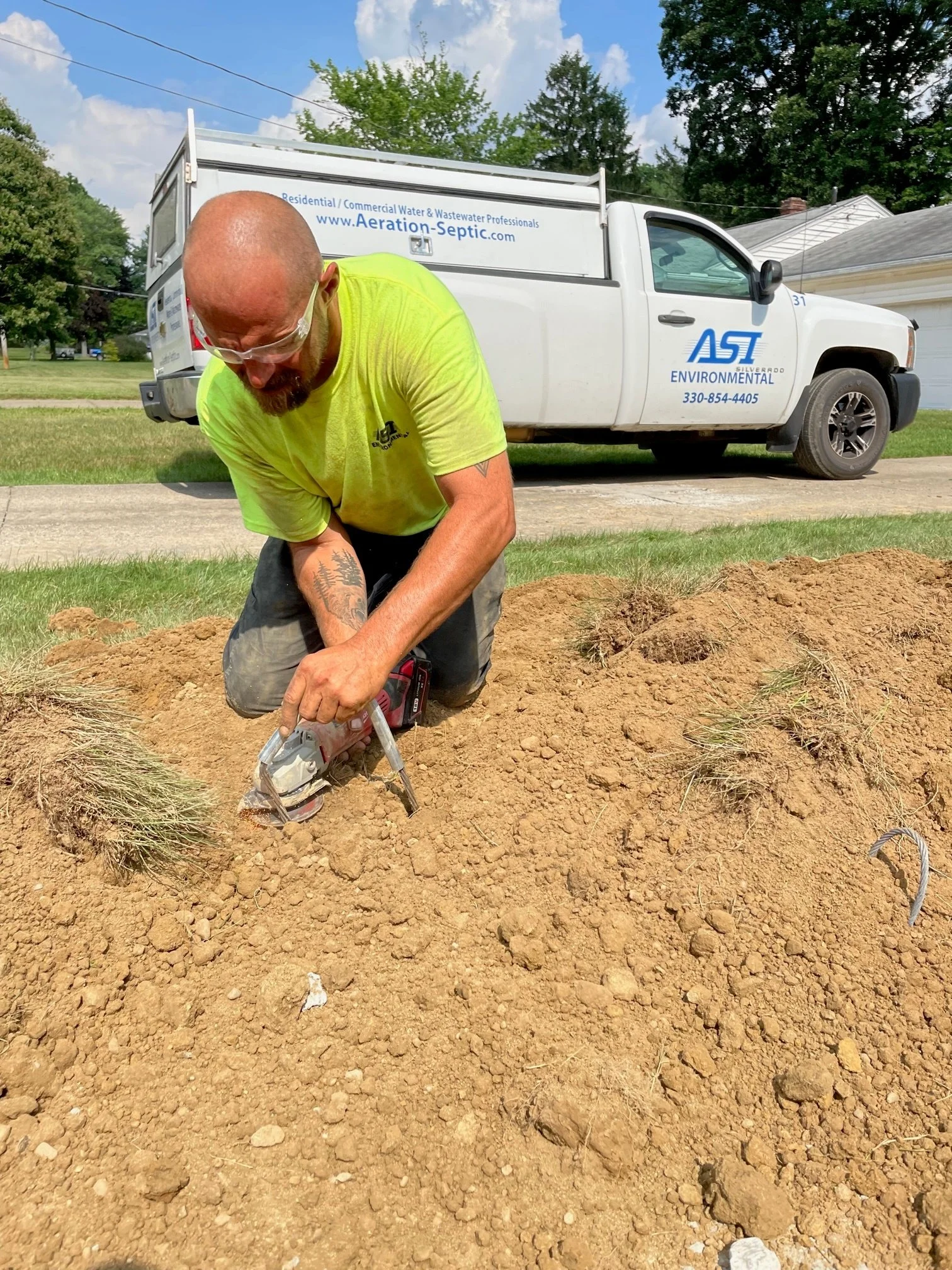
Excavation work to fix wet yards and basements.
Pumping in certain counties.
Upgrades of older systems.
We service a wide variety of systems in our residential department. These systems include:
Aqua Safe Systems
Cajunaire Systems
Conventional Systems
Drip Systems
Hoot Systems
Hydro-Action Systems
Jet 150 Systems
Jet 153 Systems
Jet 500 Systems
Jet 1500 Systems
Multiflo Systems with no UV components
Nayadic Systems
Norweco Systems
NPDES Systems
Spray Systems
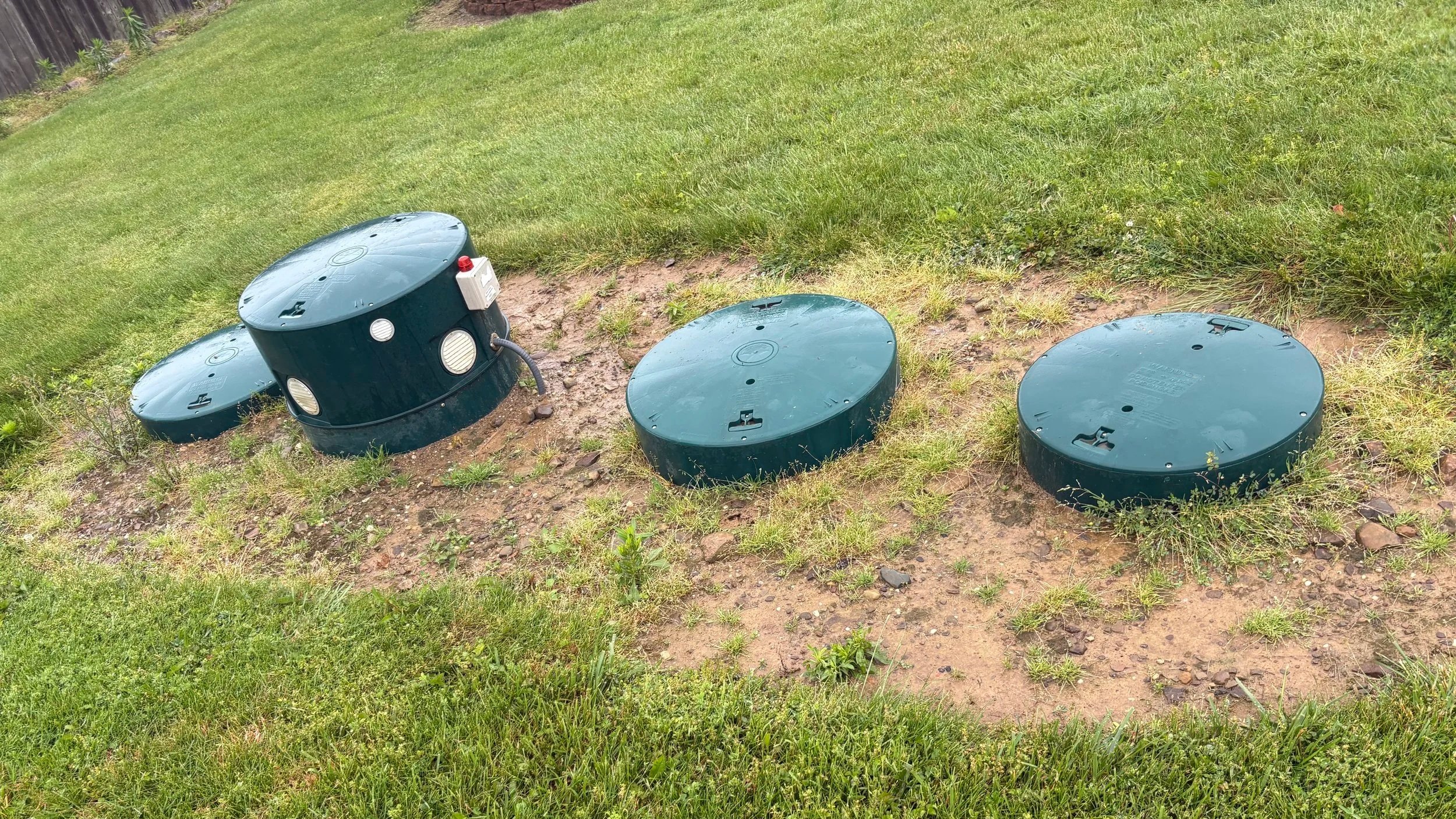
Pretreatment- When wastewater leaves the home, it will first enter the Pretreatment phase in the septic tank. Solids and other materials that are slow to breakdown are collected in this tank and the effluent flows into the next phase of the process.
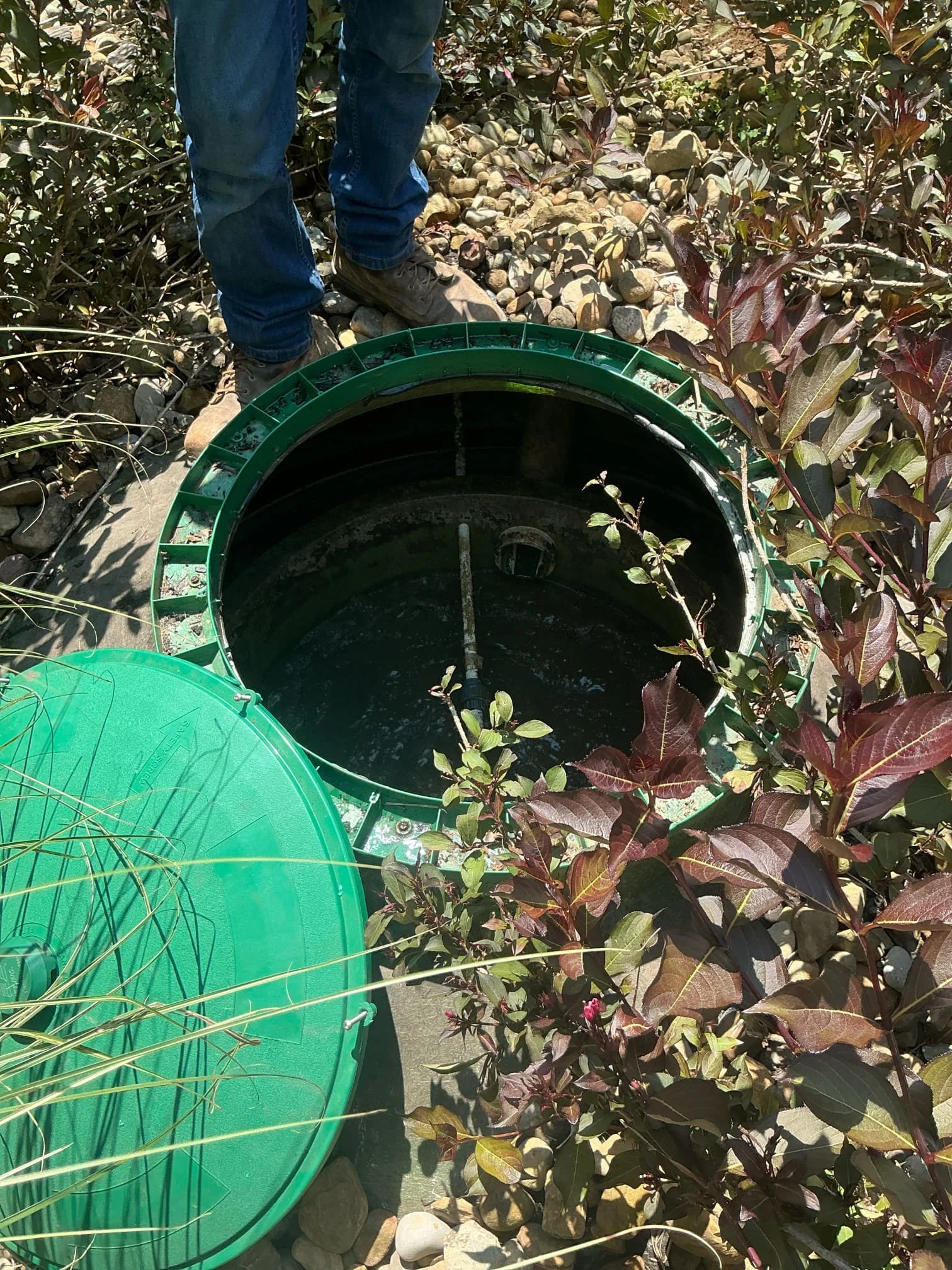
Aeration- The wastewater then moves from the Pretreatment Tank into the Aeration Chamber. In this phase, an air pump introduces oxygen to the wastewater which energizes the aerobic bacteria to aid in the breaking down and digestion of waste. This effectively cleans the wastewater without the use of chemicals or filters.
Clarification- The oxygenated effluent enters into the Clarification Compartment next. Here, the clarified water is separated from any remaining solids in a conically-shaped area. Any remaining solids settle and return for further aeration and digestion.
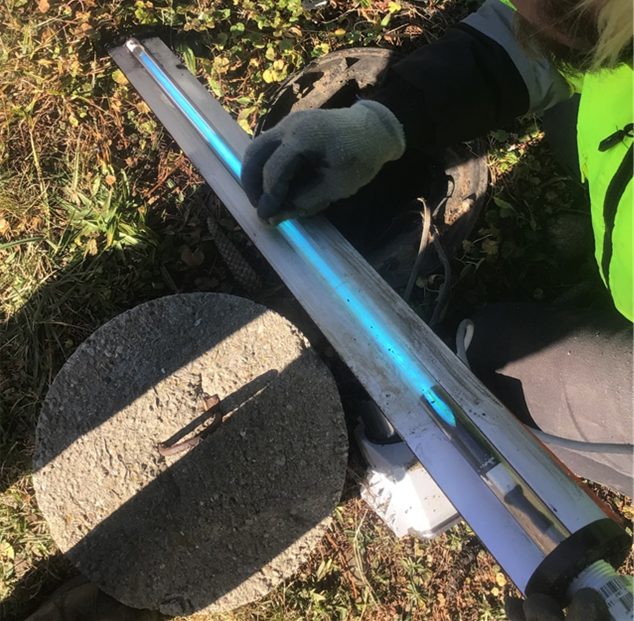
Disinfection/Dispersal- If the septic system discharges directly into the environment, then a disinfection unit is mandatory. This will likely be a UV system where the effluent will be forced to pass by a UV light bulb where any harmful bacteria is eliminated before it is released into the environment.
How most aeration systems work:

Aeration Septic FAQ’s
-
Yes. We sell parts for your septic system, and we can install them for you.
-
After we complete your routine we will leave a yellow door tag hanging from your door. This door tag has a checklist of what we did at the routine. If service or pumping is needed, it will be specified on the door tag. You can then call into the office at (330) 854-4405 to schedule that service or pumping.
-
No, Aeration Septic does not provide emergency services. If you are ever in need of emergency services and worried that your system will back up into your home, please contact your preferred pumper to get your system pumped out until ASI can come out to assess the issue.
-
No, parts that are not installed by ASI are not given a warranty. Due to manufacturer specifications, only certified and licensed individuals (like ASI Service Professionals) may provide a warranty for installed parts.
Septic Tank Inspections We Offer:
Routine Maintenance Septic Tank Inspections
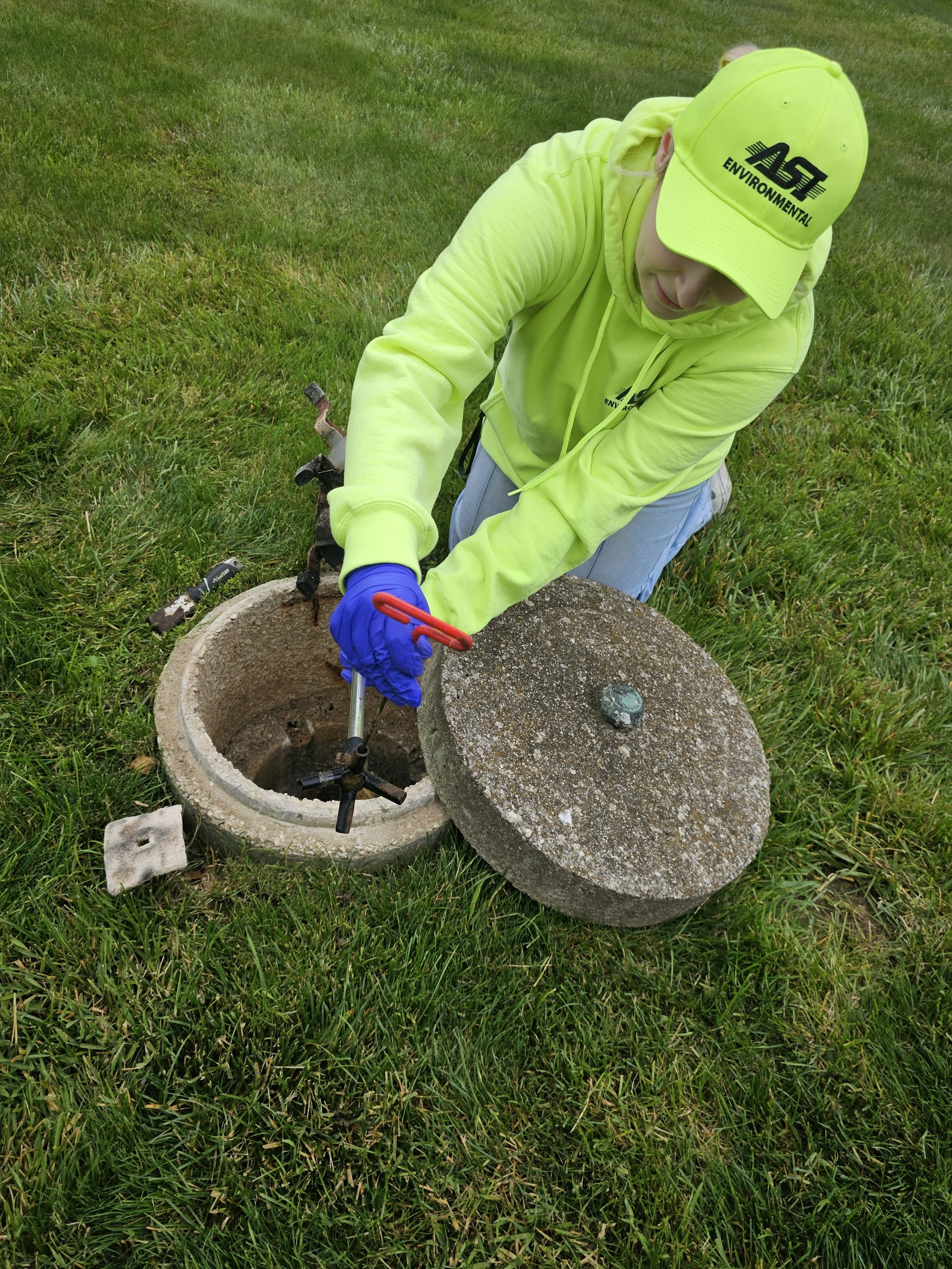
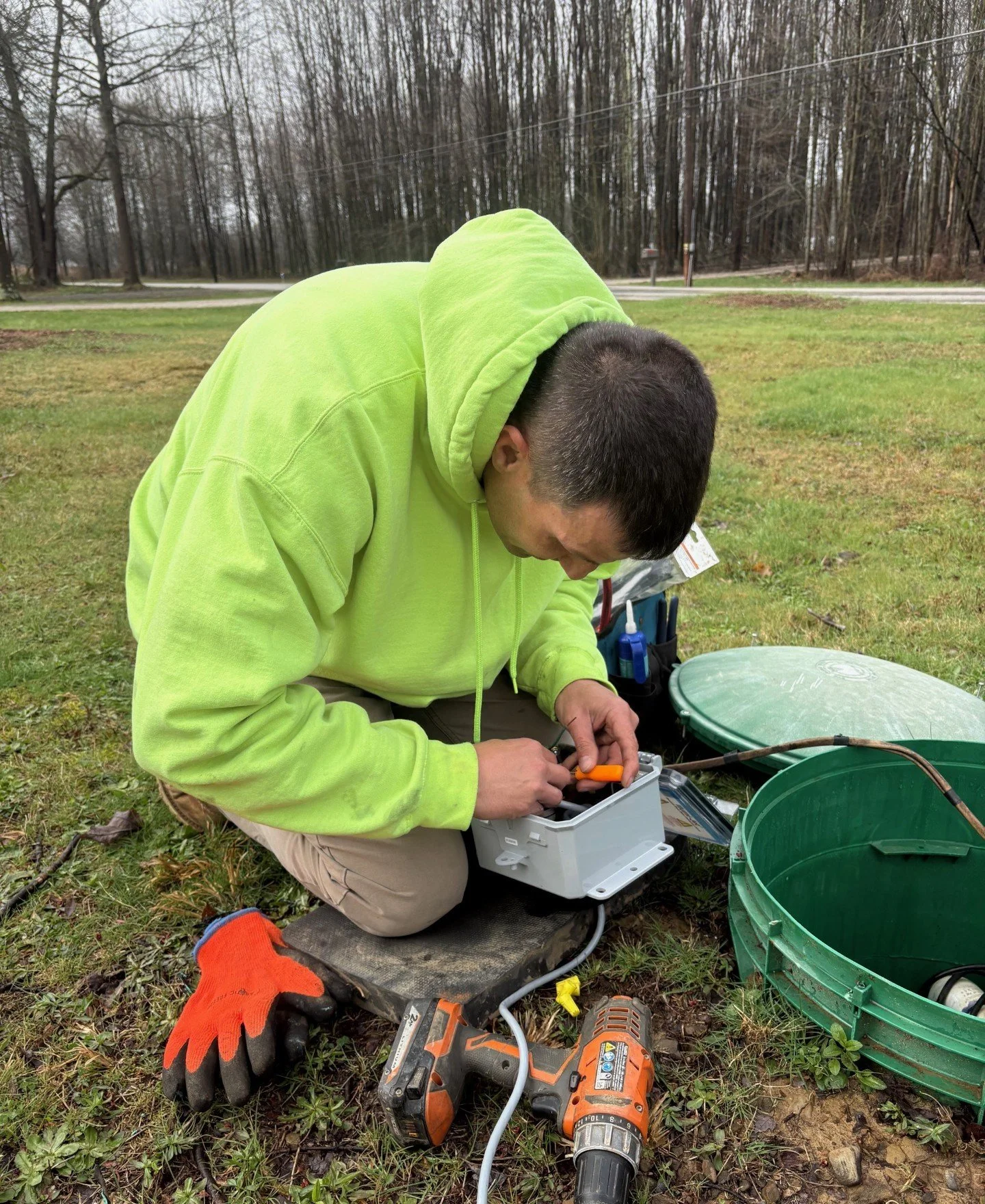
We provide professional septic service, repairs, and maintenance for aerobic treatment systems covering 12 counties in Northeast Ohio. Our company provides comprehensive septic maintenance, and annual service contracts, which comply with manufacturers specifications. Here are the services we provide for a routine maintenance visit:
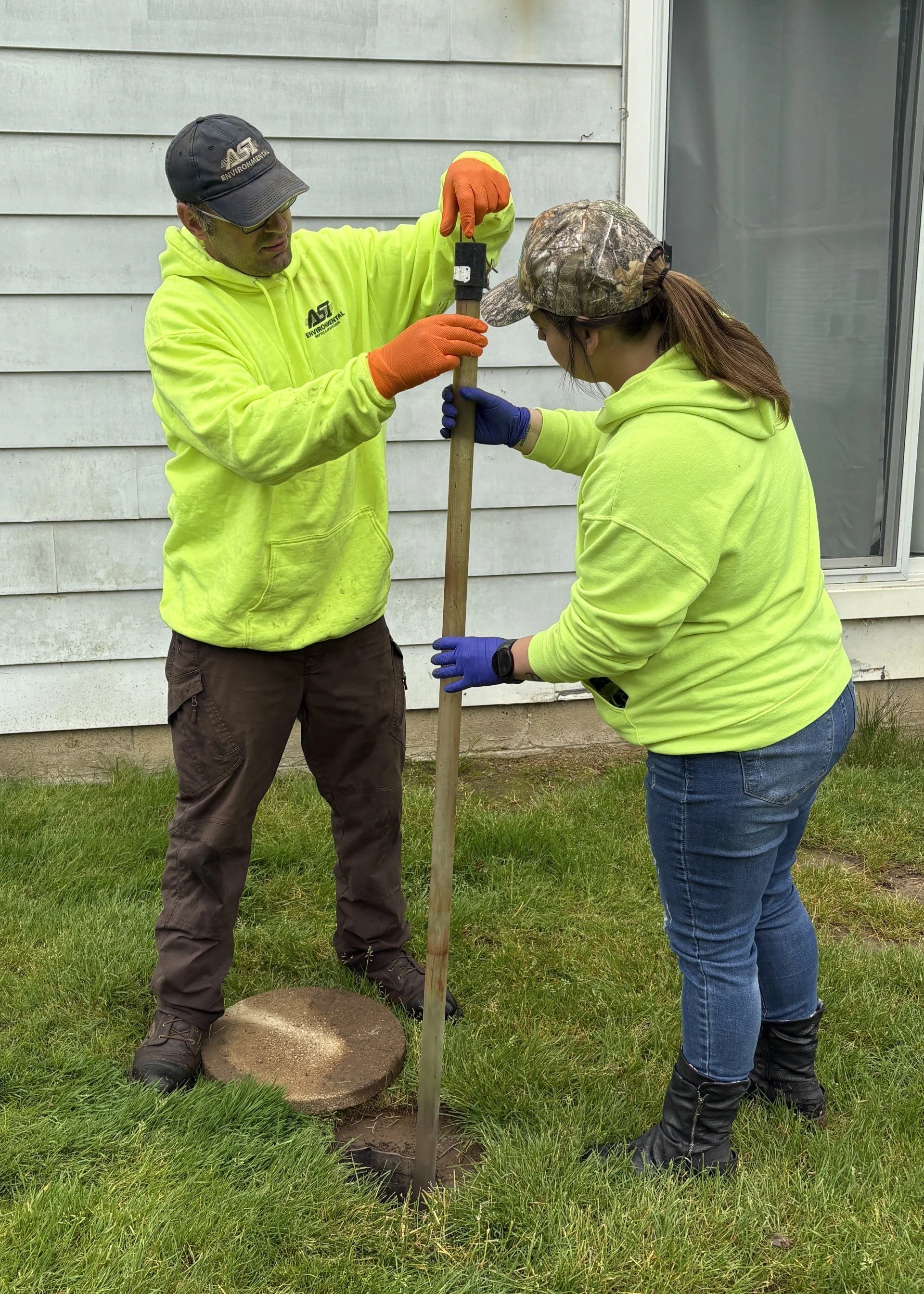
Perform a sludge judge test of the accumulated solids in the system to determine when septic pumping is necessary
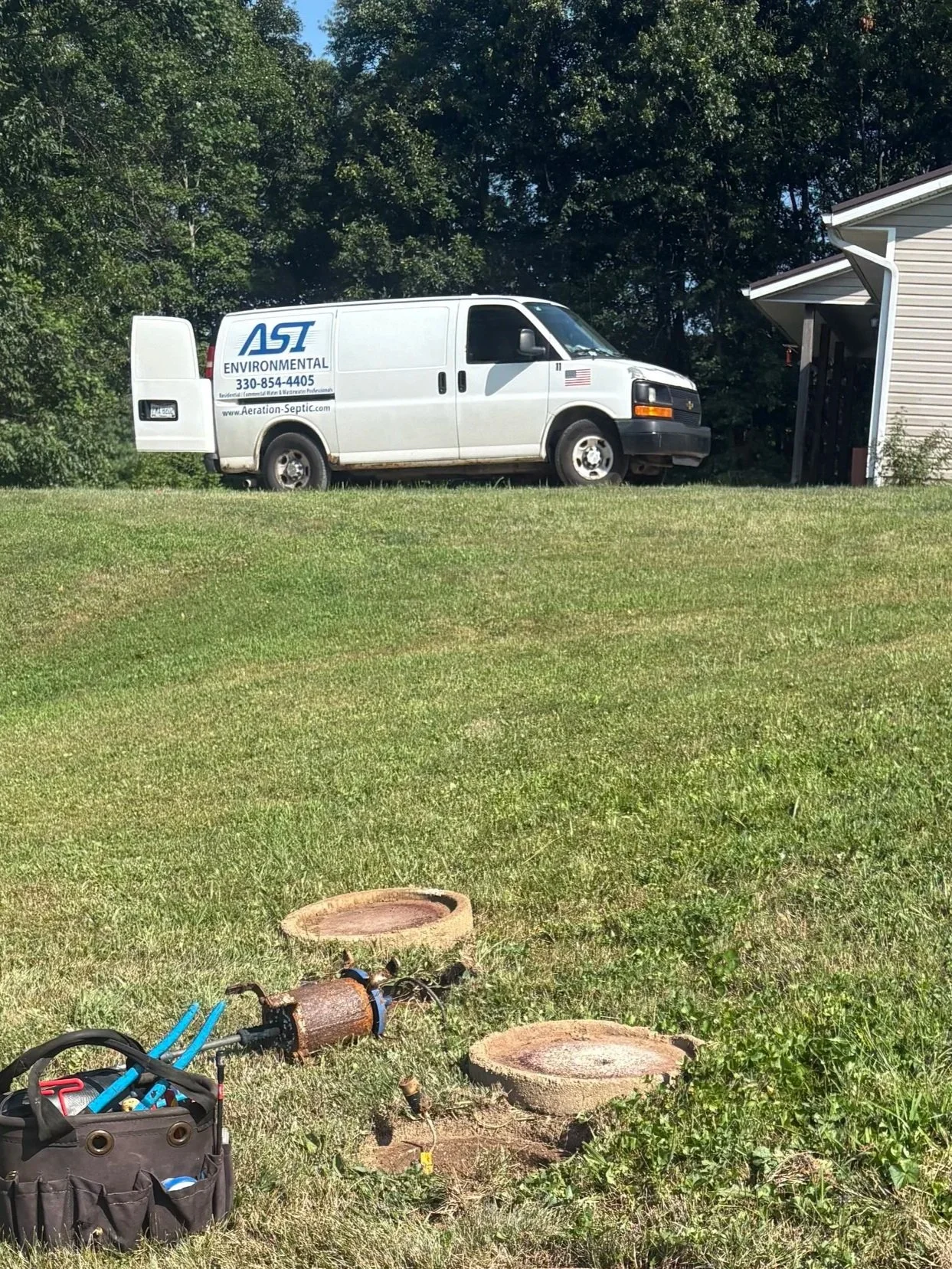
Clean any motors or blowers to verify that they are circulating the appropriate amount of air throughout the system
Clean any filtration elements to ensure that proper treatment is taking place
Analyze the effluent coming from the system to verify that a good quality water is being emitted into the environment

Point Of Sale Septic Tank Inspections
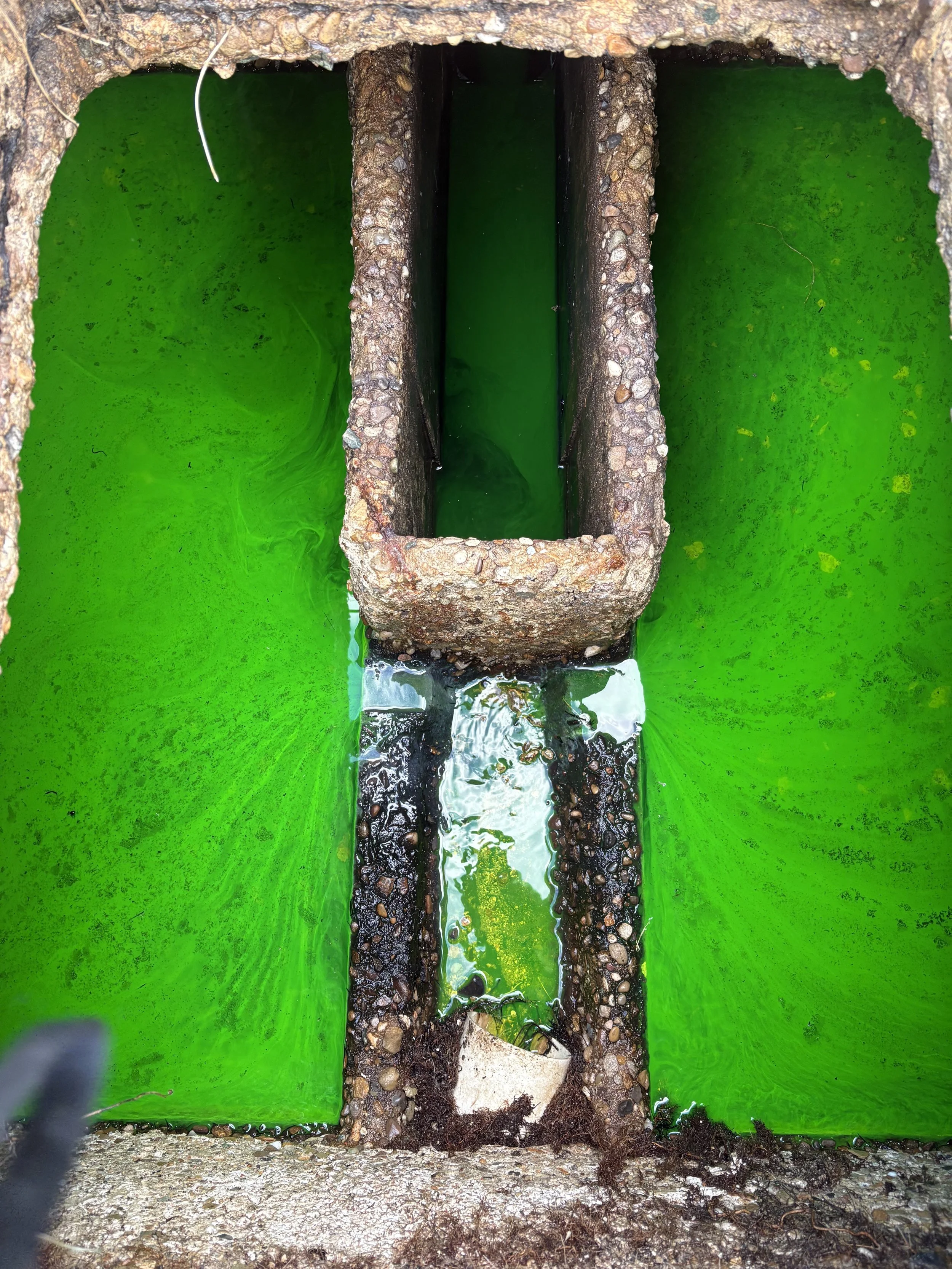
Our most comprehensive inspection, which is generally required for the buying or selling of a property. We thoroughly inspect all aspects of the septic system from top to bottom. Point Of Sale inspections typically take approximately three hours to complete and include:
Visual inspection of plumbing in the home
Check for leaks outside the home pertaining to the septic system
Locate and inspect control panel if one is present
Locate septic system (utilize health department info and drawings)
Uncover system lids for visual inspection when possible
Determine content levels in tanks (review available pumping records)
Check condition of risers and tanks
Determine flow from house through main line to septic tank
Perform Hydraulic Load Test
Perform Dye Test
Check for Distribution Boxes or Sump Pump Chambers and ensure proper operation of both
Inspect property for signs of tracing dye, including creeks, storm sewers, etc.
*Please note that Point Of Sale inspections are only offered to customers that have an active septic service contract.
The Importance Of Getting A Point Of Sale Inspection When Buying A House.
Point Of Sale inspections may be required if you plan to buy or sell a home. Considering the potential high cost of repairs or replacement of a septic system, it is best to have all the information possible when making a decision. Whether you are the buyer or seller, you will want to start by contacting your county health department to determine who is certified to perform the Point Of Sale inspection in your area. The most important thing is to be informed and understand the septic system as a potential or current homeowner. To help you with this, we created “The Top 10 tips for Point Of Sale inspections when buying a new house.”
-
They may have system designs, pumping records, or service contract information that is vital for knowing how the system should be maintained.
-
Inspect your lids, risers, control panel, or any other part of your septic system above the ground to see if there are any issues you notice.
-
Septic systems are expensive, so it is important to understand that routine maintenance can save you money in the future by finding potential issues early.
-
Ask the service professional how long the repair quotes are valid for and the estimated length of the repair.
-
The average lifespan of a septic system is 25 years, so knowing when the system was installed will allow you to financially plan for the future.
-
Make sure you are educated about the Ohio EPA rules and your county specific septic regulations regarding residential sewage systems.
-
Since septic repairs and replacements can be expensive, a second opinion can save you significant money.
-
Septic repairs may require ordering specialty parts, so schedule accordingly and make sure to give the service professional plenty of time to complete the job correctly.
-
Be present during any septic inspections and do not hesitate to ask any questions concerning the repair or maintenance of the septic system.
-
Call Aeration Septic today to schedule your septic inspection or to sign up for a maintenance contract: (330) 854-4405.
Choosing the right septic tank inspection company
When asking the question “Where is the closest septic tank inspection company near me?”, you want to make sure the septic tank inspection company is not only located near you, but also trained and certified to perform septic tank inspections. Aeration Septic, Inc has fully certified, industry trained, and highly experienced technicians ready to perform septic tank inspections in the following counties:
* – These counties require the Health Department perform all Point Of Sale Inspections.
Septic Tank Inspection FAQ's
-
Depending on the type of septic system you have, the price can vary. All contract customers will receive two routine maintenance visits included with their service contract.
-
During a routine maintenance septic tank inspection, we always:
Perform a Sludge Judge test to check and see if the septic system will need pumped.
Clean your blower filter pad or aerator and ensure it is functioning properly.
Inspect all lids and risers to see if they are up to grade.
Complete all Health Department reporting and submission on your behalf.
-
It is important to get your septic tank inspected per system manufacturer recommendations, which is often two times per year, to ensure your septic system is working properly.
-
A few signs of a full septic tank include slow flushing of the toilet, slow drainage or water backing up into sinks, showers, tubs and/or toilets. Other signs could be gurgling drain pipes or a bad smell coming from your drains.
-
Verify that all structural and mechanical components of the system are in good working condition.
-
Times will vary based on the complexity of each individual system and the field inspector’s on-site findings. It also depends on if a routine maintenance inspection or a Point Of Sale inspection is being performed. Generally, an inspection can take anywhere from 15 minutes to 3 hours.
-
A concrete septic tank can last up to 40 years, though poor quality concrete or acidic groundwater may result in deteriorated baffles or tank components. A conventional septic drain field has a varying life as a function of the soil percolation rate, drainfield size, and usage level.
-
The cost to build a septic tank system varies widely, depending on your location.
-
All septic components must be working to manufacturer specifications to get a septic system to pass inspection.